
-
![]()
Joey Albert
Joey has been involved with tech ever since she joined the EaseUS editor team in March 2011 and now she is a senior website editor. She is good at solving various issues, such as video downloading and recording.…Read full bio -
![]()
Alin
Alin is a sophisticated editor for EaseUS in tech blog writing. She is proficient in writing articles related to screen recording, voice changing, and PDF file editing. She also wrote blogs about data recovery, disk partitioning, data backup, etc.…Read full bio -
![]()
Gorilla
Gorilla joined EaseUS in 2022. As a smartphone lover, she stays on top of Android unlocking skills and iOS troubleshooting tips. In addition, she also devotes herself to data recovery and transfer issues.…Read full bio -
![]()
Rel
Rel has always maintained a strong curiosity about the computer field and is committed to the research of the most efficient and practical computer problem solutions.…Read full bio -
![]()
Dawn Tang
Dawn Tang is a seasoned professional with a year-long record of crafting informative Backup & Recovery articles. Currently, she's channeling her expertise into the world of video editing software, embodying adaptability and a passion for mastering new digital domains.…Read full bio -
![]()
Sasha
Sasha is a girl who enjoys researching various electronic products and is dedicated to helping readers solve a wide range of technology-related issues. On EaseUS, she excels at providing readers with concise solutions in audio and video editing.…Read full bio
Page Table of Contents

Jane Zhou
Updated on Feb 28, 2026
0 Views |
0 min read
A raspy voice can make you sound tougher, darker, or more dramatic, which is why it's popular in roleplay, storytelling, streaming, and character acting. Many people try to force this sound naturally, but that often leads to throat strain and inconsistent results.
The good news? A raspy voice isn't just about your vocal cords, and it's about sound texture. In this guide, you'll learn how to create a raspy voice safely and instantly without damaging your throat.
What Is a Raspy Voice?
A raspy voice is a vocal tone that sounds rough, textured, and slightly gritty instead of smooth and clean. Rather than being purely deep or low, a raspy voice usually includes:
- A touch of breathiness
- Slight vocal friction
- A grainy or "scratchy" texture
- Subtle distortion in the tone
This is why raspy voices often feel more intense, dramatic, or edgy. They're frequently used in villain characters, dark narrations, horror storytelling, or battle-worn personas where a clean voice would feel out of place. In roleplay and cinematic dialogue, that rough texture instantly adds realism and emotional weight.
In simple terms, a raspy voice isn't just about pitch, but it's about texture. It's the difference between sounding clean and sounding character-driven.
Why Do People Want a Raspy Voice?
A raspy voice isn't just a sound, but a storytelling tool.
Compared to a clean, neutral tone, a slightly rough and textured voice can instantly add tension, authority, or emotional depth. It helps a character feel more real, more experienced, or even more dangerous.
That's why creators often use raspy tones when they want to:
- Sound more intimidating or mysterious
- Add drama to narration
- Give characters personality
- Create a darker atmosphere
In gaming, roleplay, streaming, and cinematic-style content, this kind of voice can turn ordinary dialogue into something memorable. Instead of sounding like you're just speaking, you sound like you're performing.
Can You Naturally Create a Raspy Voice?
Many people attempt to produce a gravelly or scratchy tone naturally, thinking that tightening the throat, adding breathiness, or speaking with a low, coarse texture will achieve a raspy effect. While these methods can create a temporary husky or rough sound, they are often inconsistent, tiring, and potentially harmful if overused.
Here's a quick overview of common natural approaches and their drawbacks:
| Method | Effectiveness | Risks |
| Throat constriction | Short-term roughness | Can strain the vocal cords and cause discomfort |
| Add breathiness | Moderate | Fatigue's voice is quick; effect is often inconsistent |
| Imitating gravelly tones | Temporary | Difficult to sustain |
| Shout or yell | Rarely effective | High risk of long-term vocal damage |
| Eat spicy foods | Slight raspiness | Can irritate the throat |
In short, forcing your voice to be rough or husky may give a temporary raspy effect, but it's rarely stable or comfortable for long sessions. For creators who need a scratchy, textured tone consistently — whether for streaming, roleplay, or narration — alternative approaches like audio processing or real-time voice tools are far safer and more reliable.
How Creators & Voice Actors Achieve This Voice Effect Safely
Professional voice actors, content creators, and streamers rarely rely on straining their vocal cords to produce a raspy or gritty tone. Instead, they focus on techniques and tools that shape the voice safely while maintaining consistency.
Some common approaches include:
✅Controlled vocal exercises with a coach or warm-up routines, which help the voice produce husky textures without strain. These exercises improve vocal endurance and allow performers to access a rougher tone on demand.
✅Audio processing using software effects such as EQ adjustments, mild distortion, or layering breath sounds to create a scratchy, gravelly texture. This approach lets creators design a raspy voice without risking damage.
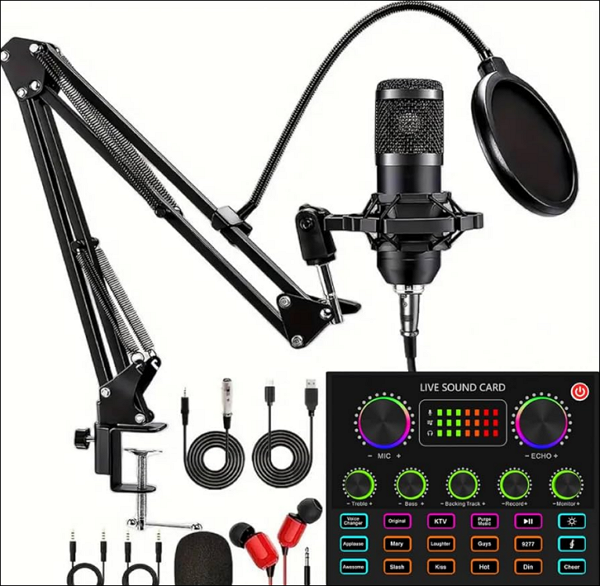
✅Real-time voice changer tools that simulate gravelly, husky, or scratchy tones. These tools can instantly transform a clean voice into a raspy one during streaming, roleplay sessions, or narration, providing both flexibility and safety.
By combining proper technique with technology, creators can achieve the dramatic, textured voice they want consistently. Whether it's a villainous character, a mysterious narrator, or a battle-hardened persona in a game, this approach allows performers to sound authentic and engaging, without straining their voice or risking injury.
How to Make Your Voice Raspy Instantly and Safely
For creators, streamers, and roleplayers who want a rough, husky, or scratchy voice without straining their vocal cords, EaseUS VoiceWave provides an all-in-one solution. This real-time voice changer lets you transform your natural voice into a raspy, gravelly, or gritty tone instantly, giving your characters and content a dramatic, immersive edge.
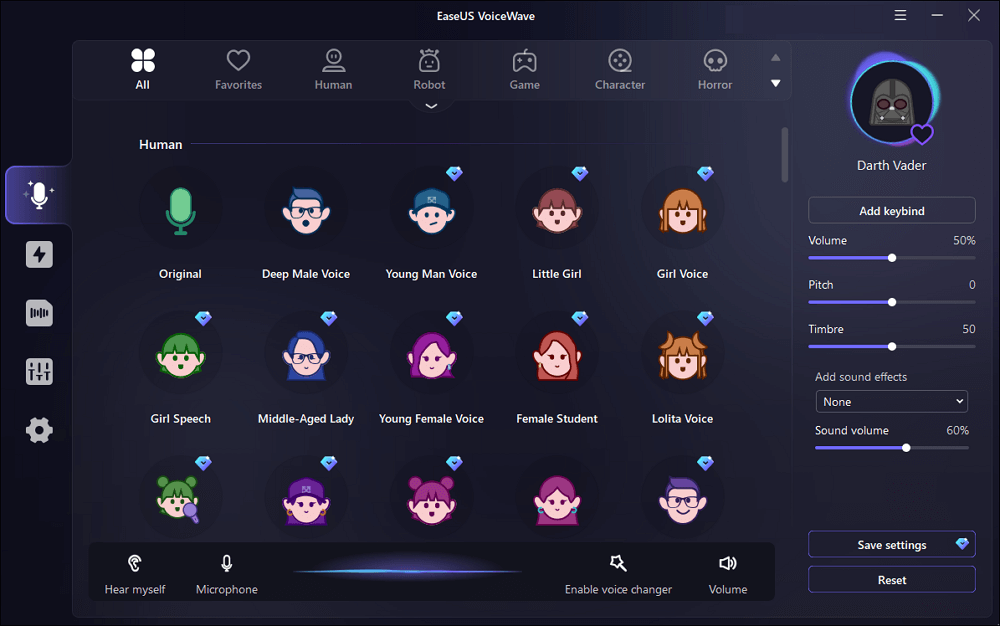
Key features that make VoiceWave ideal for raspy voices include:
- Add breathiness, mild distortion, or gritty texture on the fly, whether you're streaming, narrating, or roleplaying.
- Easily adjust low-to-mid frequencies and vocal saturation to craft your desired raspiness.
- Access hundreds of preset voices and effects, perfect for villains, narrators, or battle-hardened characters.
- Works with Discord, OBS, streaming platforms, and virtually any game or application, letting you perform with a raspy voice anywhere.
With EaseUS VoiceWave, you don't need to strain your throat or rely on inconsistent natural methods. You can safely and instantly achieve that gritty, textured tone, giving your performances a professional and unforgettable edge.
FAQs
1. How do you get a raspy voice fast?
A raspy voice can be created by adjusting vocal tone and breath control. Short-term methods include adding a slight breathiness, lowering pitch slightly, or speaking with a coarse texture. These techniques can give your voice a husky, rough quality quickly, but results vary depending on your natural voice.
2. How to get a raspy voice in 5 minutes?
Achieving a scratchy or gravelly tone in just a few minutes is possible with careful voice modulation. Focus on gentle throat engagement, controlled breath, and a slightly slower, deliberate delivery. Keep in mind that rapid attempts may cause temporary strain, so avoid forcing your voice.
3. Is a raspy voice attractive?
Many people find raspy voices appealing because they convey depth, maturity, or mystery. In storytelling, acting, or even casual conversation, a slightly husky or gritty tone can make a voice feel more expressive and emotionally engaging.
4. Can you permanently get a raspy voice?
A permanent raspy voice usually develops naturally over time due to genetics, habitual vocal use, or certain lifestyle factors. Forcing a lasting raspy tone can damage vocal cords, so permanent changes are generally the result of long-term habits rather than quick tricks.
5. Is a raspy voice bad for singing?
Singing with a raspy or scratchy tone can put extra strain on your vocal cords if not done carefully. While some professional singers use controlled rasp for effect, attempting this without proper technique may lead to fatigue, hoarseness, or even vocal injury. Proper warm-ups and moderation are key.